Introduction to the Process Model of Psychotherapy (aka Basic Process Class) is for mental health professionals who want to learn the basic concepts of The Process Model as developed by the Process Therapy Institute over four decades. This course includes theoretical presentation, process work demonstrations, experiential exercises, and discussions.
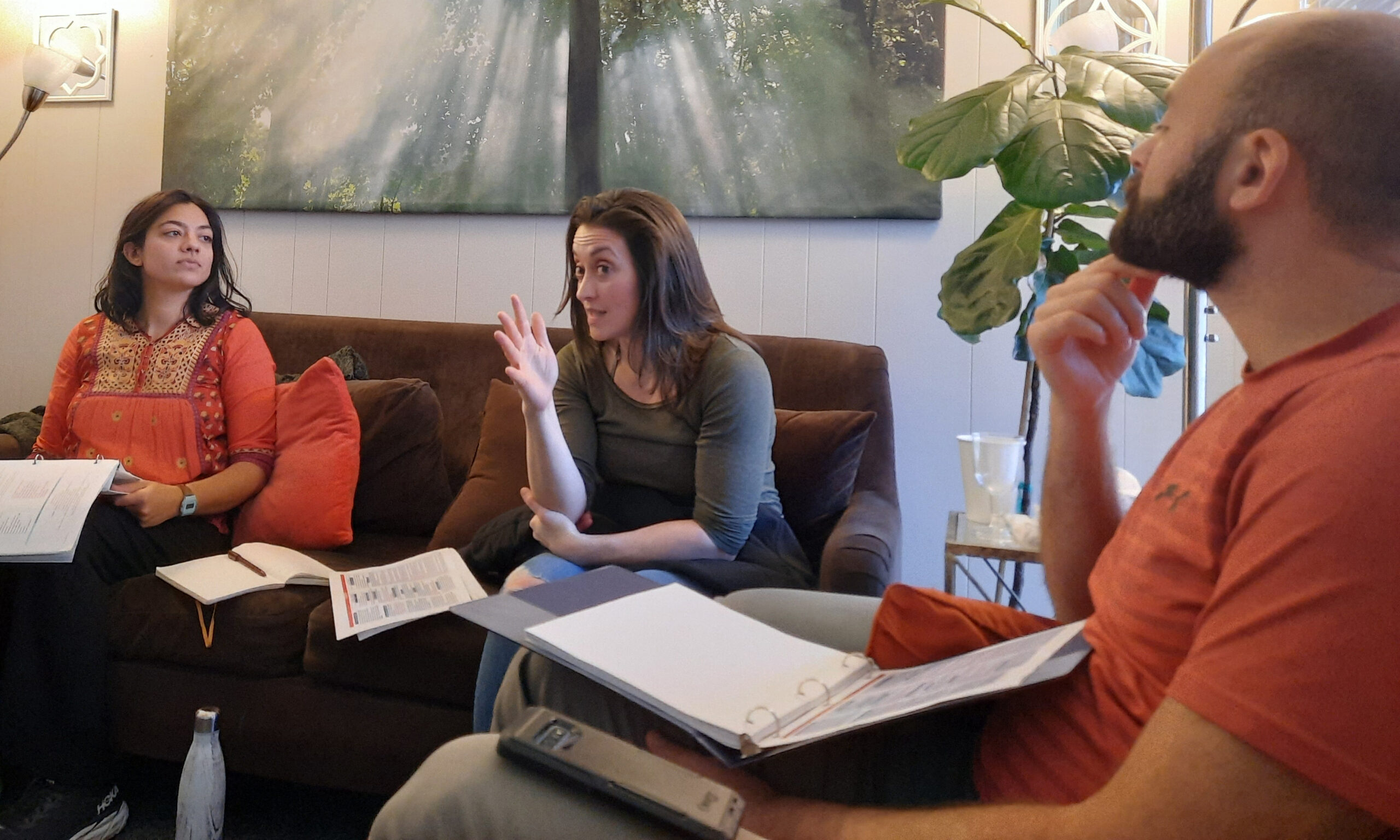
The Process Model is a mindfulness-based, present-moment-oriented, experiential, “meta” model of psychotherapy. A few of the topics covered are:
- Being and Doing: illuminating client processes in the here-and-now, while maintaining a connection to Self and the client
- Three realms of therapy: external, interpersonal, internal
- Working with process: identifying, selecting, enacting, tracking, deepening, resolving
- Working with client’s resistance: recognizing, navigating, and bringing awareness to client’s resistance
- Working with therapist’s resistance: recognizing counter-transference through mindfulness; identifying, transcending, and therapeutically using these issues in working with others.
- Invite the client to their edge and to integrate their work: follow a process to completion and hold space for integration with the clients higher self
Learning Objectives
At the end of the course, participants will be able to:
- Identify two clinician internal resources for practice of Process Model concepts
- Demonstrate three Process Model concepts/skills
- Identify and work with one example of counter-transference
Materials
The Therapy of Allowance by Don Hadlock.
About the Instructor
Jennifer Weise holds a master’s in counseling psychology. Jennifer has been licensed for more than two years with the CA BBS. Jennifer has been practicing and teaching the Process Model since 2012. Jennifer is also a supervisor at Process Therapy Institute. Clinicians benefit from Jennifer’s experience applying the Process Model in and out of clinical settings with multiple client populations.
CE Certificates
Course completion certificates will be awarded at the end of the course in exchange for a completed evaluation form. For questions regarding this class, including those about the CEU’s as well as accommodations for special needs, please email events@processes.org.
Instructions for Requesting Accommodations for Disability
Find out how to request accommodations here.
Cancelation and Refund Policies
PTI’s CE course cancelation and refund policies.
Grievance Policies
PTI’s CE course grievance policies here.
About the Course
This course meets the qualifications for 30 hours of continuing education credit for LMFTs, LCSWs, LPCCs, and/or LEPs as required by the California Board of Behavioral Sciences; and the Process Therapy Institute (Provider #050112) is approved to sponsor continuing education for LMFTs, LCSWs, LPCCs, and/or LEPs. Process Therapy Institute maintains responsibility for this program/course and its content.
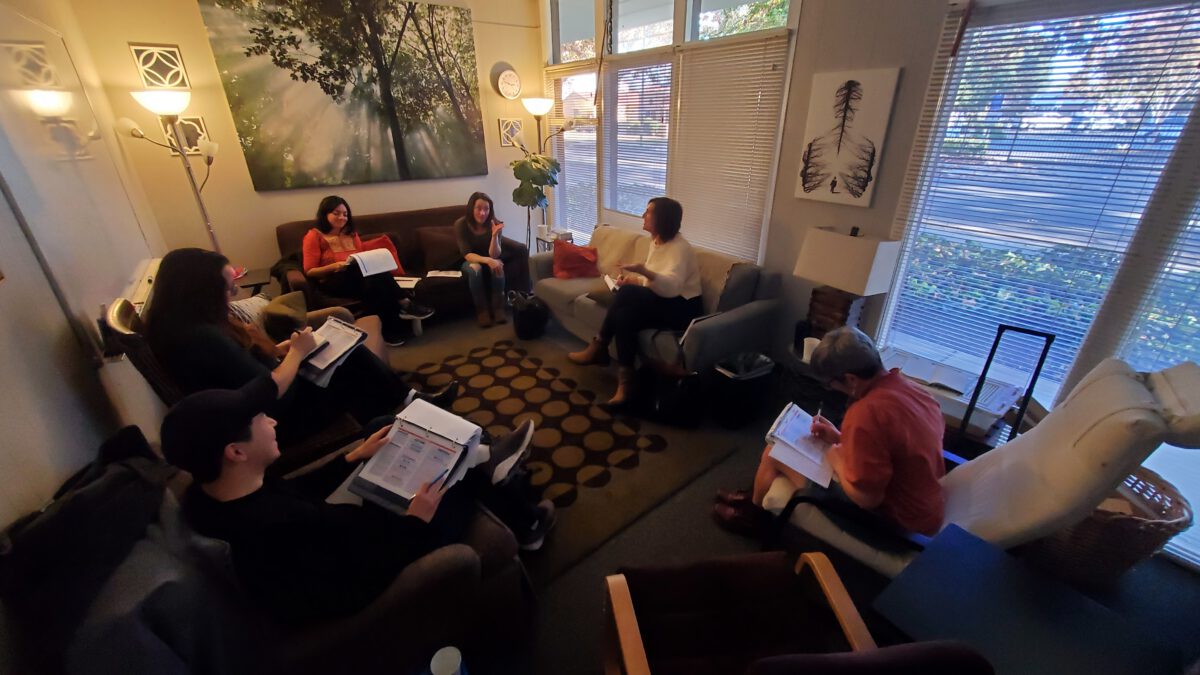
The purpose of the Advanced Process Class (APC) is for participants to deepen their experiential and theoretical knowledge of the Process Model. The Process Model was developed by Carol and Don Hadlock. The model is a meta-modality of psychotherapy that is experiential, present-moment centered, therapist-and-client centered, depth oriented and self growth oriented.
Part A deep dives into being and explores the psycho-spiritual foundations of the Process Model: flow, allowance, non-resistance, mindfulness and boundaries.
Objectives
At the end of the course, participants will be able to:
- Discover and practice their own internal resources for: flow, boundaries, connection, ownership, resilience and self-growth.
- Identify their counter-transference, transcend counter-transference and creatively use it clinically in individual, couples, families and group settings.
- Identify relational dynamics (couples, families, groups) and parallel process, especially as it applies in class.
- Participants will apply Process Model skills in relationship to self and with other class participants.
- Participants will demonstrate therapeutic Process Model skills: flow and allowance, connect to and transcend self, boundaries, and setting tone and frame.
Prerequisites
Advanced Process Class students are required to have:
- Completed the Basic Process Class
- Completed their mirror training
There is a one-time class material fee to be paid for the purchase of the book: The Therapy of Allowance by Don Hadlock
The purpose of the Advanced Process Class (APC) is for participants to deepen their experiential and theoretical knowledge of the Process Model. The Process Model was developed by Carol and Don Hadlock. The model is a meta-modality of psychotherapy that is experiential, present-moment centered, therapist-and-client centered, depth oriented and self growth oriented.
Part C continues to deepen process skills such as tracking, client resistance, transcending and integrating.

Objectives
At the end of the course, participants will be able to:
- Discover and practice their own internal resources for: flow, boundaries, connection, ownership, resilience and self-growth.
- Identify their counter-transference, transcend counter-transference and creatively use it clinically in individual, couples, families and group settings.
- Identify relational dynamics (couples, families, groups) and parallel process, especially as it applies in class.
- Participants will apply Process Model skills in relationship to self and with other class participants.
- Participants will demonstrate therapeutic Process Model skills: tracking, transcending and integration.
Prerequisites
Advanced Process Class students are required to have:
- Completed the Basic Process Class
- Completed their mirror training